
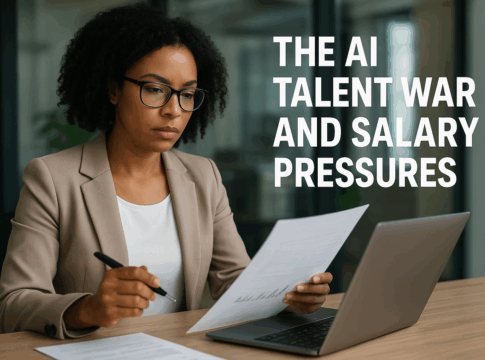
The rapid expansion of artificial intelligence has created an intense demand for skilled professionals. Companies across industries are competing fiercely to secure top AI talent. This competition has triggered the AI Talent War and Salary Pressures, pushing salaries to unprecedented levels and reshaping HR strategies. Organizations are struggling to balance competitive pay with internal equity, creating challenges for compensation structures and workforce management.
Human resource teams are facing mounting difficulties in sustaining fair pay frameworks. The AI Talent War and Salary Pressures highlight the risk of widening salary gaps between technical and non-technical roles. As demand increases, traditional compensation models are being challenged. HR leaders must now develop creative approaches to attract AI experts without demotivating existing employees. This requires careful planning, transparency, and innovative retention practices.
The rise of advanced technologies has also intensified the pressure on workforce planning. The AI Talent War and Salary Pressures force organizations to rethink recruitment, reskilling, and long-term employee development. Many businesses are focusing on upskilling programs to reduce dependency on external hiring. At the same time, HR departments are exploring performance-based incentives to reward employees fairly. Aligning pay strategies with business goals has become essential for sustainable growth.
In the future, the AI Talent War and Salary Pressures will continue shaping the HR landscape. To remain competitive, companies must integrate people analytics, flexible work models, and transparent communication into their strategies. Balancing innovation with equity is the key to attracting AI specialists while retaining broader workforce trust. HR leaders who adapt to this evolving challenge will strengthen organizational resilience in an increasingly digital era. – Read more about Compensation Management

